Friday, October 18, 2013

14 Things to Consider Before Buying a Home in Ocean City MD or elsewhere. ShoreFun4U - Susan Antigone, REALTOR, Long & Foster

14 Things to Consider Before Buying a Home in Ocean City MD or elsewhere. 


How to Land Your Dream Home in 2013
When you’re buying a home, it’s easy to let emotions get in the way of reality. “Sometimes we want something so badly, we’re not willing to ask all the questions we should,” says Leslie Levine, author of “Will This Place Ever Feel Like Home?” To make sure your dream home isn’t a mirage, follow these 14 tips:
1. Visit at various times of day.
The windows that let in so much light during the day may be a peeping Tom’s dream at night. That seemingly quiet residential street may be a noisy, highway-feeder street during morning or evening rush hour. The adjacent school may seem like a nice perk if you’re buying in the summer, but during the school year, daily playground noise and extra traffic may be more than you bargained for.
2. Research recent local news.
You need to look at more than the house: Examine the factors you can’t see. For example, perhaps the municipal water well has high levels of contaminants, or a perhaps a high-voltage power line may soon be coming through your back yard. You can also check with the city or county to see if there are any proposed projects.
3. Talk to neighbors.
How many people in the neighborhood own their homes? What do neighbors say are the pros and cons of the area?
4. Ask if the neighborhood has an association.
“Is there a newsletter for it? How often does the neighborhood get together? Do they have a block party every year?” Levine asks. “The fact that they’re having a gathering says they care about their community, that they want to get to know each other, that they’re willing to socialize that way. People who behave that way are building a community. They’re going to look out for your kids; they’re going to look out for your house.”
5. Quiz the sellers about house problems.
What past problems are the sellers aware of? Even if the issues have been fixed, it’s good to know that the house may be prone to, say, ice dams or water leaks so that you can take preventive measures rather than find out the hard way. If you know that the basement flooding was solved by building up the landscaping in a particular area, you won’t level the ground there.
6. Get a home inspection.
Virtually all houses have defects. Some are obvious, and most are curable. But knowing what needs repair can help you negotiate a lower price — or at least prepare you for costs you’ll soon incur. Strongly consider getting inspections for lead paint, radon and wood-eating pests, too.
7. Get detailed records on past improvements.
This isn’t always possible. But if you’re told the house’s exterior was painted two years ago — and then see a receipt noting the whole project cost just $1,000 — then you’re forewarned that cheaper materials were used and that you may be looking at repainting sooner than you thought.
8. Don’t assume remodeling will be easy.
If you voice your ideas to the sellers, you may glean valuable insights. For instance, perhaps that shower is in an odd location because, when the previous owners remodeled 10 years ago, they discovered a costly structural impediment to putting a shower where it would seem more appropriate.
9. Consider the view.
“So many neighborhoods now have teardowns,” Levine notes. “So look at the two houses on either side of you.” Do the adjacent houses look like they might be candidates for a teardown? Is the next lot empty? Does the neighborhood or town have restrictions about what your prospective neighbors can build there? “They may build some behemoth structure that affects your light or the way your house looks or your view,” Levine says.
10. Ask for utility bills. 
You may adore the Cape Cod architectural style or the high ceilings and glass walls in a modern home, but those winter heating and summer cooling bills may not fit your monthly budget. Ditto for the water bills that come with maintaining a pristine landscape.
11. Pay close attention to taxes.
Don’t just ask about the seller’s most recent tax bill; ask the amounts for several recent tax bills. In some areas, houses are re-appraised — and taxed at higher rates — frequently. That great deal and good investment may not seem quite so grand if the property taxes skyrocket year after year. Look at local news and talk to your Realtor about how taxes are used in this area. In some cities, schools are substantially funded through property taxes, which means you can count on yours increasing regularly.
12. Check with city hall.
Look into the property’s and the neighborhood’s zoning, as well as any potential easements, liens or other restrictions relating to your property. The seller should disclose these facts, but it’s better to be proactive. If you’re using a buyer’s agent, they should be able to help.
13. Reconsider the bells and whistles.
Are you sure you can live with a one-car garage, or a detached garage, or on-street parking? The pool may be a nice bonus, but can you afford the upkeep?
14. Explore the surrounding area.
OR 
If you’re new to the area, you may not know that only three blocks away, this pretty neighborhood backs up to a dumpy commercial zone or a less-than-savory part of town. If the home is near an airport, fire station, police station, hospital or railroad track, expect to hear trains, planes or ambulances throughout the day and night. Make sure you’re not too close to an agricultural area that may generate odors or kick up dust or other airborne problems.
Diane Benson Harrington wrote this article
.

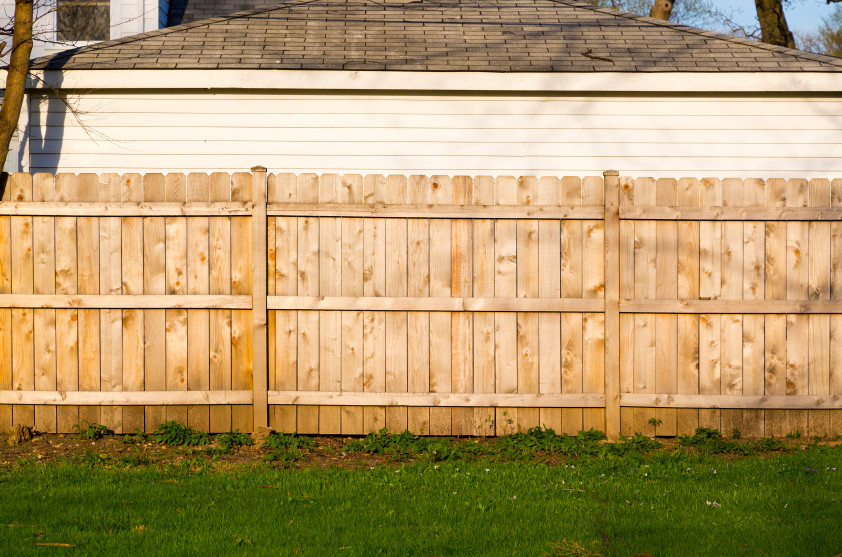
Ocean City, MD. Consider whether you want a fence for privacy or to keep others out; or do you want a fence to keep the pets and children in and safe?

Pros and Cons of Fences

DATE:OCTOBER 17, 2013 

Ocean City MD - Homes for Sale - Townhomes, Single Family, Condominiums.  Not all will accommodate a fence.  So consider: do you want a fence for privacy to keep others out; or do you want a fence to keep the pets and children in and safe? 
Fences – wood, wrought iron, vinyl or chain link – can be expensive to build and install. Before you make the investment, it’s wise to take time to consider your specific needs and decide whether a fence is worth the cost and energy.

ADVANTAGES OF FENCES

Fence1. Privacy. It can be hard to enjoy dinner on the patio if everyone on the street has a clear view of your back yard.  A six-foot-tall privacy fence can help create a peaceful get-away in nearly any neighborhood.
2. Containment. A fence can help provide a safe play environment for children and pets, keeping them in the yard where you can keep an eye on them and preventing entry from unwanted strangers or animals.
3. Security. A good fence can help protect your family – and your possessions – from those who would enter your yard for the wrong reasons. If you have a swimming pool or playground equipment, a fence can prevent trespassers from putting themselves in danger.
4. Noise reduction. If your house is near a busy street, you may find yourself screaming to be heard over the traffic noise. An 8-foot-high solid fence can knock 6 to 10 decibels off traffic and other ambient noise. Acoustifence is among a handful of products that have traditionally been used to reduce sound along mass transit rail lines and highways. It’s now available for residential use and reports show noise levels are reduced by 60 percent to 85 percent, depending on fence height, elevations and noise frequencies.
5. Design element. An attractive, well-constructed fence can add to your home’s overall appeal. A waist-high fence, such as a picket fence, can both define your property boundary and attract the eye through thoughtful landscaping.

DISADVANTAGES OF FENCES

Painting fence1. Maintenance. No doubt, fences can provide a decorative element to your landscape, but they can detract if they’re not well cared for. Wood fences, specifically, require occasional cleaning, staining, sealing or painting and can warp and rot over time. Is that how you want to spend your time?
2. Lack of Consensus. Boundary fences can be tricky business – especially if you want one and your neighbor doesn’t. You may both have legitimate reasons for digging in your heels (protecting pets, preserving a view, etc.) but nothing should be constructed until you come to an agreement. You may want to hire an attorney to help negotiate a compromise or you may work through a local community mediation center. Not only do you need to agree to build the fence, you need to decide who’s responsible for costs and maintenance. Is a fence worth damaging neighborhood relationships?
3. Expense. The cost of a fence varies greatly depending upon the materials used, the style, height and length of the fence, number of gates, and the market in which labor is hired and materials are purchased. A wooden privacy fence now averages $17.31 to $23.13 per linear foot – that’s $2,596.50 to $3,469.50 for a 150-foot-long fence.
4. Hassle. Mowing or trimming along a fence is laborious and can do damage to the fence – especially a wood fence. No fence? Mow with abandon.
5. Wildlife. Fences may help protect your property but, for those who live on wooded or rural lots, they also can be barriers and traps for wildlife, causing injury and even fatalities. Animal damage to fences is costly and frustrating for landowners. Montana Fish, Wildlife & Parks suggests observing wildlife trails and seasonal patterns before building a fence. If you do end up building one, design your fence to allow wildlife to travel through your property to important habitats and to allow easy access to ponds, streams or wetlands.
  • Mary Boone is a freelance writer for Zillow Blog. 


Buying a House? Know your credit score and get a free credit report. Ocean City MD. Susan Antigone - ShoreFun4U homes for sale.

Topic Summary: For years now consumers have been given the option to obtain their credit report for free from the big three credit reporting agencies.  Recent reports indicate that up to 79% of reports have errors.
1)      Get free reports 
2)       How to fix errors the right way
3)      Where to go when not satisfied
4)      A fantastic site to go to for free tools
We all know that our credit reports are a very important financial tool that credit grantors and employers have to assess an individual's credit-worthiness. The government for years has given consumers a free way to see what is in your credit reports, and now they provide a resource called the Consumer Financial Protection Board to help you if you can't get satisfaction when errors are found.
First up you can get your free credit reports from the three national agencies, Equifax, Experian and TransUnion once every 12 months. The site to get the free reports is www.annualcreditreport.com . Be careful if typing in the web address as here are many sites that look like that address but will try to sell you credit monitoring and other services.
Once you have your reports, dig into every line item and see if all makes sense! Each report tells you what to do to when you think there is an error. The Fair Credit Reporting Act says the agencies have to get back to you in a certain time-frame or the item in question must be deleted


If you are still not satisfied, call in "Big Brother"
The Consumer Financial Protection Board was set up a few years ago to be the watchdog for consumers when they engage in the financial services sector. This organization takes on big financial services companies and enforces regulations and administers fines when there are anti-consumer practices. On This Page Here,you can start the formal dispute of a contested item on your credit report. You will be given a case number and progress on the complaint.
A Get It All Done Site We Recommend!www.CreditKarma.com
This site is getting rave reviews for being easy to use and free. There are some ads that come with the service but generally they are not intrusive. Once you register, CreditKarma goes to work monitoring your balances, payments and any warnings are given to you by email.

Highlights

Get Your Free Credit Score

Credit Karma believes that every consumer has a right to access their scores. You'll get four credit scores along with free credit tools to help you better understand what a good credit score is. Even better, you'll receive your free credit score without a credit card.
Get Your Free Credit Report Card
The totally free Credit Report Card is an easy-to-understand summary of your credit report details. Use the Credit Report Card to gain a better understanding of your credit history and how it impacts your credit health.

Enroll in Free Credit Monitoring

Credit monitoring can help prevent identity theft and inaccurate information from appearing on your credit report. You'll receive an email when something important changes in your credit report.
Gain Insight into Your Credit Report
Along with your free score, you'll see important details of your credit report for free. In addition to your free Credit Report Card, you can view the details on your individual credit cards, mortgages, auto loans and personal loans. You can use this section to spot any fraudulent or mistaken accounts on your credit report, maintain a record of your reported balance history, keep tabs on your credit card utilization rate, and receive recommendations for new loans and credit cards.

Wednesday, October 16, 2013

Moving to the Beach? Ocean City MD real estate is a great buy. Repairs Every New Home Buyer Should Make ... at the beach or elsewhere!


Repairs Every New Home Buyer Should Make

"I tell my new homeowner customers that you're going to find problems every season for a few years," says Rich Escallier, a handyman in Chicago. "If you can go six months without finding something that raises your blood pressure, you're lucky."

Contractors and remodeling experts agree that new owners shouldn't rest easy after their home purchase. Check out maintenance in Ocean City MD

Starting from the moment they move in, new owners should look ahead to routine maintenance and take care of small home repairs right away to head off potentially costly mistakes. Here's a quick timeline of things to look for.

Move-In Week

Make it a point to turn on all of your major appliances and let them run for a complete cycle, especially if your home is newly built. Believe it or not, contractors and home inspectors don't always test out these devices after installing them. It's easy to improperly connect appliances dishwashers and microwave ovens, says Daniel Cipriani of Kade Homes & Renovations outside Atlanta, Ga.

"If you have a minor leak under the dishwasher, that water leaks into the subfloor and you can't see it," Cipriani says. "But you'll start to notice the hardwood floor buckling."

Repairing the floor after a minor leak goes unnoticed can cost as much as $5,000.

If you're in a new house, be sure to read your warranty -- don't wait until an emergency to start familiarizing yourself with your legal rights and responsibilities.

45 Days

Change the filter on your HVAC system, and vacuum out the air intake vents. Capturing dirt and dust with the right filter can go a long way toward preserving the new home appeal for a few years.

Six Months

During summer months, keep an eye out for invasive animals like squirrels, birds and wasps. These pests look for loose soffits and buckled siding as a way to get into your home. Once there, they can make a nest, raise young and wreak havoc on hard-to-reach areas of your home.

Twice a year in the summer and fall, inspect the exterior of your house to make sure rainwater is draining properly. Clean out clogged gutters and downspouts. Construction professionals recommend six-inch gutters and proper landscaping so that rainwater is directed away from your foundation.

"Landscaping should be negatively graded away from the house," Cipriani says. "People don't think it's a big problem, but otherwise water pools against the foundation and doesn't have anywhere to go."

Fixing up your foundation could cost upwards of $10,000. Even one crack in a poured concrete wall could cost $800 to $1,500 per crack, according to the Foundation Repair Network.

"If you can fit a nickel into it, you'll know that it might be an issue," Cipriani says.

Each winter, check to make sure that your pipes are properly insulated against freezing. Consider installing an inexpensive insulating hood over exterior water spigots.

Every Year

Inspect your roof or have a professional roofer conduct an inspection. Look for missing shingles, gaps in the flashing around chimneys and other hazards. Indoors, check your ceiling for water spots. If you see a spot, don't panic -- just trace the spot with a pencil so you can monitor its progress to see if it's still growing. Some minor leaks will clear up without your help, but most don't, so you have to stay vigilant.

Every Two Years

If you have a sewer line or a catch basin, expect to have it cleaned out and inspected by qualified plumbers. They'll check for broken pipes, roots growing through the line and other potential flooding hazards.

Have a professional HVAC contractor inspect your furnace, air conditioner and hot water heater. Often hot water heaters are located close to other major appliances -- and a ruptured reservoir could spill 40 gallons of water in a few hours. Escallier recommends installing an inexpensive water alarm with sensors in the collection pan beneath the hot water heater. A $25 water alarm can head off a potentially disastrous basement spill.

Above all, don't put off little repairs -- that just compounds the problem. The most common thing customers say to Escallier after a big repair job is, "We wish we would have done this sooner."

"You want to enjoy living in your house," he says. "Don't put your head in the sand."

Long & Foster Maintenance Suggestions for Ocean City MD real estate market. 

Want to move to the Ocean City MD beach? Second Home? Retirement? - 4 outside the box ways to sell your home.

4 Outside-the-Box Ways to Sell Your Home

Real estate people often say that this business is “hyperlocal.”  That’s just another way of saying that whether your market is a buyer’s market, a seller’s market or otherwise can vary state to state, county to county, town to town and even in various neighborhoods in the same town.
But when it’s your own home for sale, “hyperlocal” takes on an all new meaning.  Your perspective on the market zooms all the way in and it can suddenly seem like nothing matters except how many buyers show up to your open house, how long your home has been on the market, whether any offers have come in on your house and, if so, precisely which numbers appear on those digital sheets of paper.

Bottom line: it doesn’t matter how hot the market is or how many multiple offers your neighbor’s house got, unless and until yours sells.  Times might not be desperate overall, but if it’s your house lagging on the market you might need to do something more than just hang a sign in the yard to get your home sold. And the only thing you can control in that process is YOUR actions: your choice of agent, your pricing, your property preparation and your marketing. 

If you’re a seller committed to doing everything within your power to sell your home and it’s not coming as easily or instantly as you’d hoped, here are a few outside-the-box strategies for getting your home sold:

1.  Put your network to work.  Anywhere there are people who know you or know your neighborhood, (sample home in Ocean City MD) there might be the ultimate buyer for your home - or someone who knows them.  In particular, social networks like neighborhood email lists, NextDoor.com and even your personal Facebook feed are great places to make sure you are publicizing your home’s listing. 

If your home is well-located vis-a-vis your workplace, don’t hesitate to also make your colleagues aware of the listing. If you work for a very large organization or institution, you might even go so far as to let your Human Resources team know of the listing: many HR departments actively help new hires relocate and find housing as part of their services.

2.  Offer incentives or inclusions. If you want to distinguish your home above the rest of the homes for sale, you must do what other sellers won’t. On today’s market that might simply mean offering even a modest incentive, which can get your home noticed and turn a looky-loo serious, in short order. Offering a year’s prepaid HOA dues or closing costs when your competition is not making such offers can be magnetic to the buyer who is frugal or tight on cash. 

Similarly, you’d be surprised at how the prospect of including customized furnishings, home electronics, or other high-value items that homes are usually sold without can sweeten the whole package your home presents to buyers. This is highly situationally-specific, though, as it tends to be the most appealing to entry level buyers who otherwise might not be able to afford the included items or very high-end buyers who simply don’t want to be bothered with furnishing a house.  Discuss whether this strategy makes sense for your home with your listing agent.

3. Make a reverse offer.  A lot of what is outside-the-box for today’s market are strategies that get put to use in slower market climates. Speaking of having lots of viewings, but no offers - in a reverse offer, the listing agent calls up the agent from a buyer who has expressed an interest in the home and makes an offer from the seller to the buyer.

If you’ve had a particular buyer who has been to your home more than once but has given the feedback that the price is too high, HOA dues too steep or the necessary repairs too extensive, talk with your agent about making a reverse offer directly to that buyer to sell your home to them at:
  • a lower list price
  • with an HOA dues credit
  • with the agreement to conduct repairs before closing or provide a repair credit.
4.  Write a love letter about your home.  When bidding wars abound, it becomes common for buyers to write what I like to call “love letters” to sellers, counting the ways they love the home (Shakespeare-style) and trying to woo them into letting the buyer become its next owner. But sellers whose homes aren’t moving would do well to channel the Bard themselves.  Buyers appreciate a home that has been cherished, and like to hear the lore of lovely family memories a seller had in the place. I’ve actually witnessed firsthand a buyer walk through a home, deem it “cute” with nonchalance, then warm to the property as they come across a binder full of a seller’s notes about the place, the neighborhood and even local vendors and parks, from the rosy viewpoint of someone who loves them.

In this post, I went into greater detail about how to pen a seller love letter about your home. Make sure you also connect with your agent to gather their experienced input on what matters the most to local buyers, before you write a love letter about your home.

ALL: What outside-the-box home selling strategies have you seen in your area?  Did they work?

PS: You should follow Trulia and Tara on Facebook!

Tuesday, October 15, 2013

Builders boost use of 'freebies'

Builders boost use of 'freebies'

Buy it new or be imaginative and buy a beach home as a vacation or 2 nd home and add your own special touches to make it like new in Ocean City MD.  Homes of all kinds are for sale.  ShoreFun4u-Susan Antigone at Long & Foster real estate.

Monday, October 14, 2013

Tips to sell your home faster to a younger buyer -- Ocean City MD beach resort sales. ShoreFun4U - Susan Antigone

7 Tips to Sell Your Home Faster to a Younger Buyer

Draw today's home buyers by appealing to their tastes, with these guidelines from an expert decorator

Color Expert, Interior Decorator, & Design Blogger.... More 

Educating my clients about the audience they will be marketing to is one of the most important things a home stager can do. When you put your home on the market to sell, you should know that the next owner will likely be younger than you are. That's why you should stop thinking about what you like or want in a home and start thinking about what your most likely buyer will want.